
Plaster Works in Qatar: Quality Craftsmanship for Modern & Traditional Spaces
Plaster work is an essential part of the construction and interior design industry, offering both functional and aesthetic value. In Qatar — where architectural excellence meets cultural heritage — superior plastering services are in demand for residential, commercial, and institutional projects. This comprehensive guide explores everything related to plaster works in Qatar: benefits, techniques, materials, applications, cost considerations, maintenance, and how to choose the right service provider.
1. What is Plaster Work?
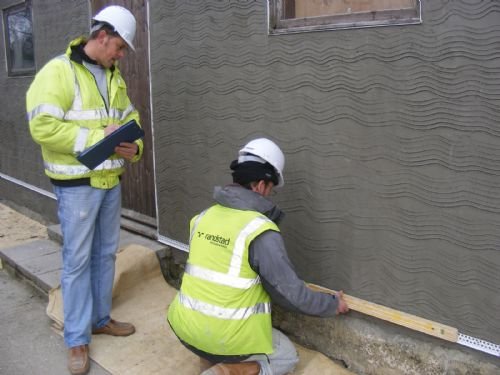
Plaster work refers to applying a smooth or textured coating to walls, ceilings, and architectural elements. It serves multiple purposes:
-
Surface finishing (creating smooth or decorative surfaces)
-
Protection (against moisture, cracks, heat, and wear)
-
Aesthetic enhancement (textures, patterns, ornamental features)
Traditionally, plaster is made from materials like gypsum, lime, sand, and water. Today, modern formulations include synthetic additives to improve strength, durability, and ease of application.
2. Why Plaster Works Matter in Qatar
Qatar’s climate, characterized by hot summers and occasional humidity, presents unique challenges for buildings. Proper plastering is crucial because:
A. Thermal Regulation
High-quality plaster helps moderate interior temperatures by reflecting heat, reducing cooling loads, and enhancing energy efficiency — a key consideration in Qatar’s desert climate.
B. Durability in Harsh Conditions
The right plaster mix offers resistance to cracking, salt penetration, and dust infiltration — challenges often faced in the Gulf region.
C. Aesthetics & Design Flexibility
From ultra-smooth finishes to intricate decorative profiles, plaster elevates the visual appeal of interiors and exteriors alike.
D. Compliance with Qatar Building Standards
Professional plaster work ensures conformity with Qatar’s building codes and sustainability standards, particularly on government and commercial projects.
3. Common Types of Plaster Used in Qatar
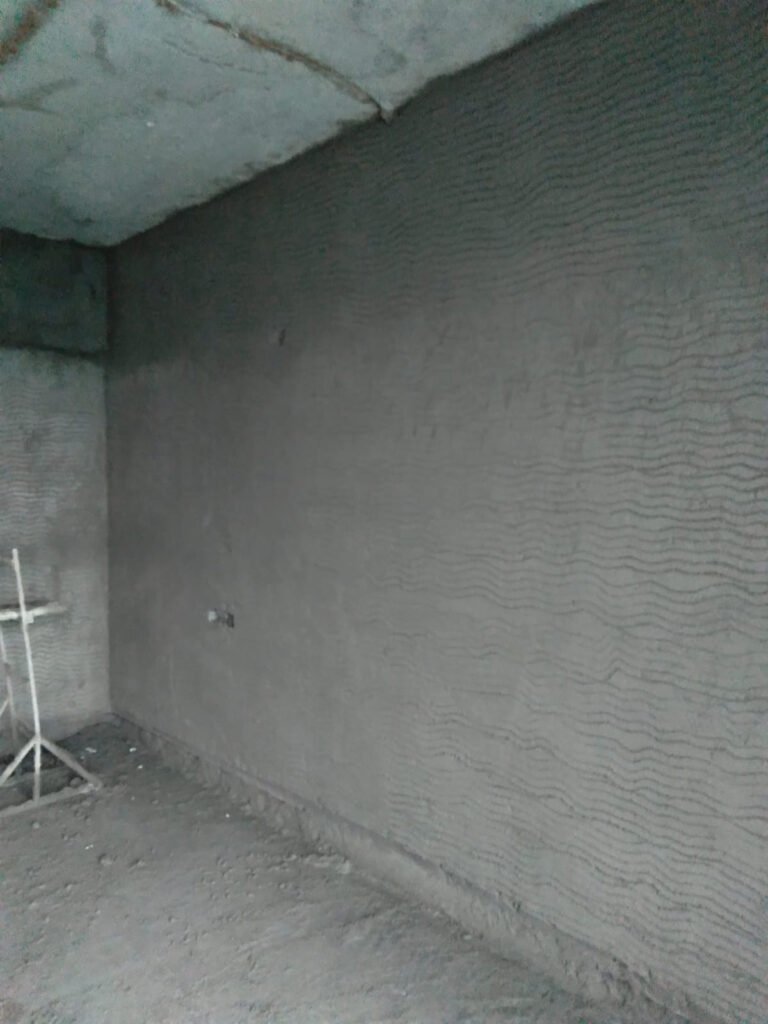
Different projects require different plaster types. Below are the most widely used options in Qatar:
3.1 Gypsum Plaster
-
Made from gypsum powder and water.
-
Advantages: Fast setting, smooth finish, excellent for interior walls and ceilings.
-
Best for: Residential and office interiors, decorative ceilings.
3.2 Cement Plaster
-
A mix of cement, sand, and water.
-
Advantages: Highly durable, weather-resistant, suitable for exterior surfaces.
-
Best for: External walls, basements, balconies.
3.3 Lime Plaster
-
Made from hydrated lime and sand.
-
Advantages: Breathable and flexible, reduces cracking.
-
Best for: Heritage buildings, restoration projects, traditional Qatari architecture.
3.4 Acrylic/Polymer Plaster
-
Contains synthetic resins.
-
Advantages: High adhesion, moisture resistance, flexible texture options.
-
Best for: Modern aesthetics, textured walls, feature surfaces.
4. Plaster Work Applications
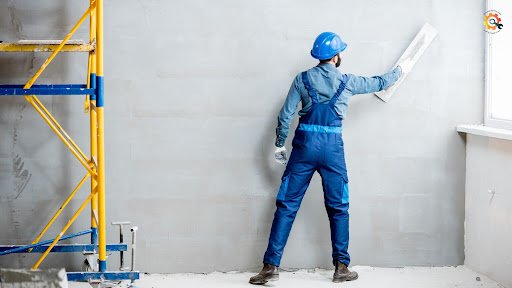
Plastering isn’t just about covering walls — it elevates the entire space. Below are some key applications:
4.1 Interior Wall Plastering
The most common application, interior plastering delivers a flawless surface ready for paint or wallpaper. It hides wall imperfections and makes lighting more effective by reflecting light uniformly.
4.2 Ceiling Plastering
Gypsum plaster ceilings can be flat, curved, or feature design elements like coves and recesses for lighting.
4.3 Exterior Plastering
External plaster adds a layer of protection against sun, wind, and occasional rain. When combined with quality paint, it greatly improves the building’s durability and curb appeal.
4.4 Decorative & Architectural Plasterwork
Ornamental plaster adds elegance to villas, hotels, and cultural centers. This includes:
-
Cornices and mouldings
-
Wall niches
-
3D textured panels
-
Islamic geometric patterns
4.5 Feature Walls & Accent Finishes
Modern designs often include feature walls with textured plaster, Venetian finishes, or artistic motifs for reception areas and living rooms.
5. The Plastering Process Explained
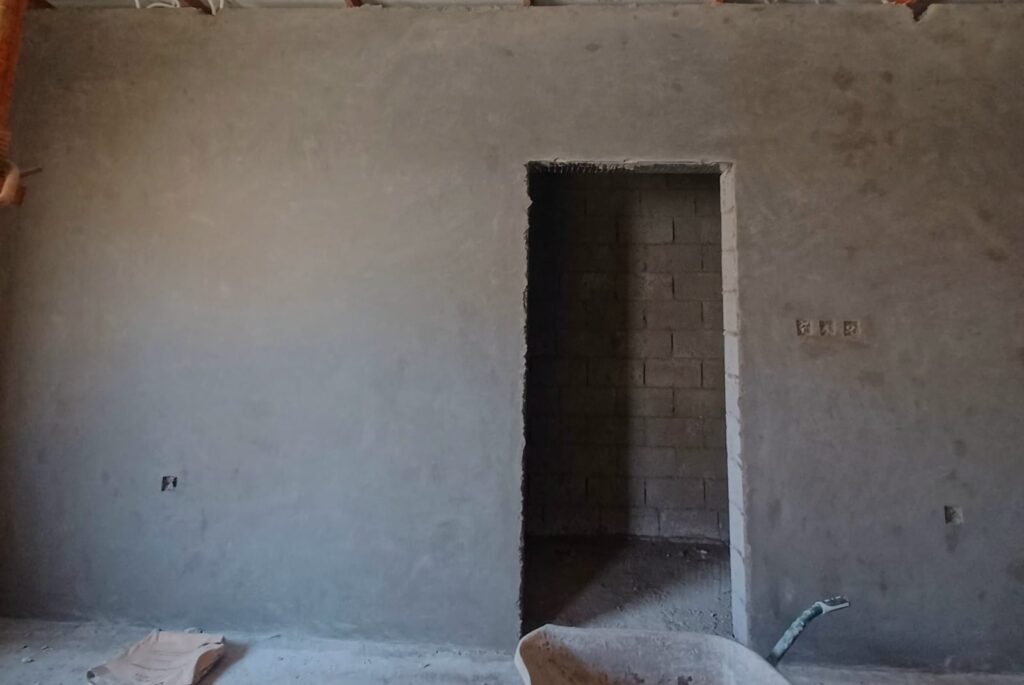
Professional plaster work follows a precise process to guarantee performance and finish quality.
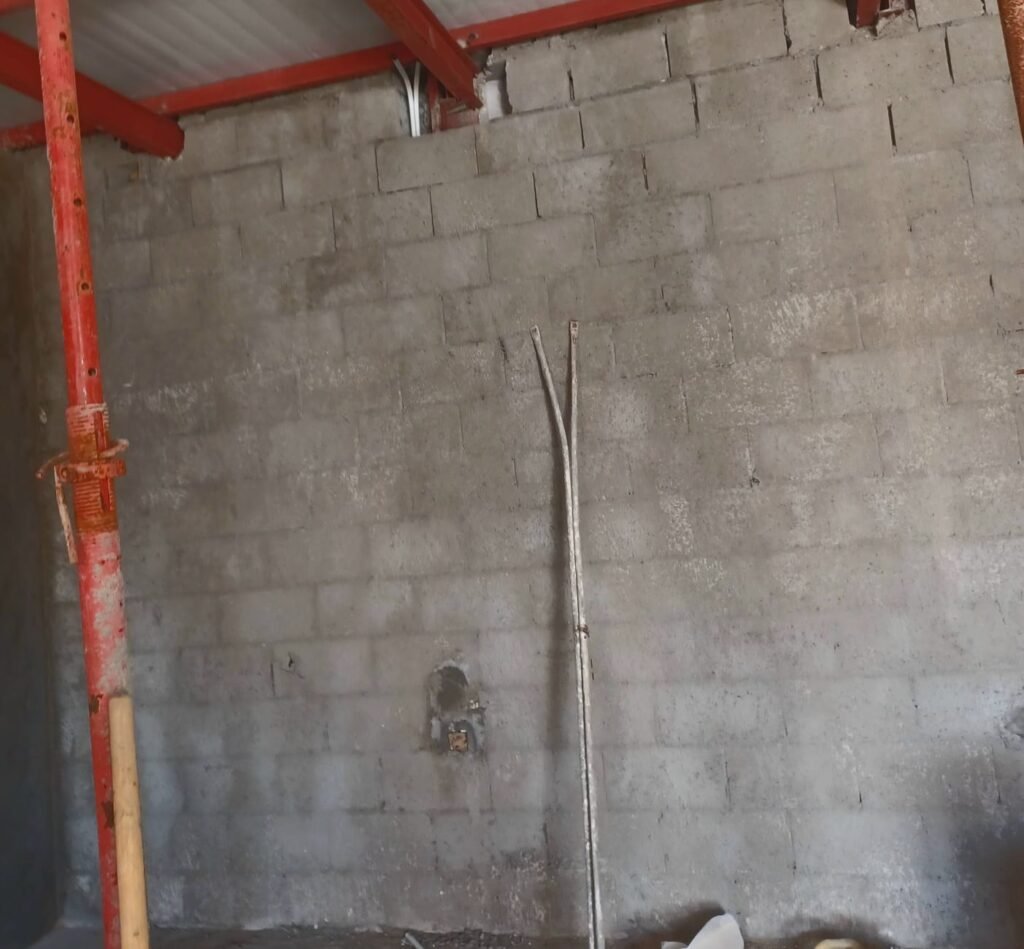
5.1 Surface Preparation
-
Clean the wall surface
-
Remove dust, dirt, loose paint, and old plaster
-
Apply bonding agents if necessary
Surface prep is the foundation of strong plaster adhesion.
5.2 Base Coat Application
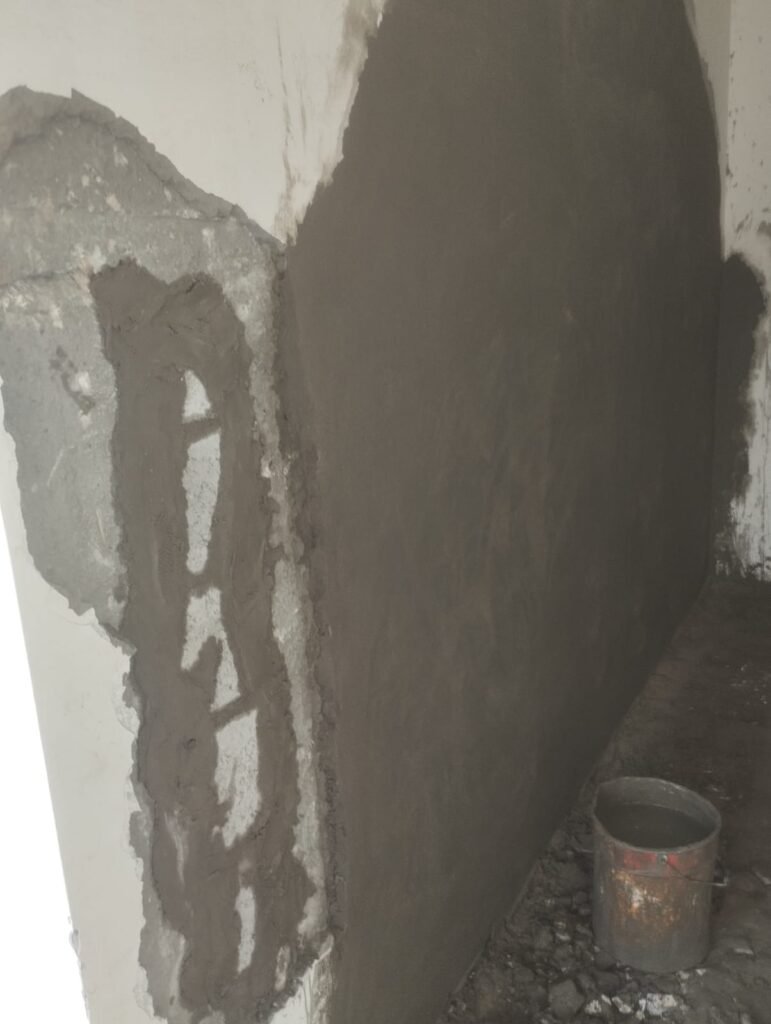
For many projects, a base coat of plaster is applied to even out major imperfections. This provides a leveled surface for the final finish.
5.3 Final Coat
The finishing layer is smoothed or textured based on design requirements. Skilled plasterers ensure consistent thickness and uniformity.
5.4 Drying & Curing
Proper drying is essential. In Qatar’s climate, controlled curing prevents cracks and ensures longevity.
5.5 Final Inspection
A quality check ensures no cracks, uneven spots, or imperfections remain before the surface is painted or decorated.
6. Cost Factors of Plaster Works in Qatar
6.1 Material Choice
Gypsum plaster is usually more affordable but limited to interiors, while polymer or decorative plasters cost more but offer unique aesthetics.
6.2 Surface Area
Larger areas yield better pricing per square meter, while small or irregular areas cost more per unit due to labor intensity.
6.3 Complexity
Simple flat finishes are cheaper. Decorative elements, curved ceilings, and bespoke textures require more time — and higher costs.
6.4 Labor Quality
Experienced plasterers charge premium rates, but their work is faster and more durable, saving money in the long term.
6.5 Accessibility
High ceilings, scaffolding requirements, and restricted access can increase labor and equipment costs.
A typical range for plaster work in Qatar (indicative only — actual quotes vary):
-
Basic interior plaster: QAR 10–25 per m²
-
Exterior cement plaster: QAR 20–40 per m²
-
Decorative plaster: QAR 50+ per m²
(Pricing is illustrative; always consult local contractors for accurate estimates.)
7. Benefits of Hiring Professional Plaster Services
While DIY plastering may seem tempting, professional services offer unmatched advantages:
7.1 Precision & Finish
Experienced plasterers deliver smooth, crack-free surfaces that make painting and decoration easier.
7.2 Time Efficiency
Professionals finish the work faster, minimizing disruption to your schedule.
7.3 Warranty & Accountability
Reputable contractors often provide guarantees on workmanship.
7.4 Compliance & Safety
They adhere to Qatar construction standards, ensuring safety and longevity.
7.5 Expert Material Selection
Professionals recommend the right plaster type based on climate, usage, and design goals.
8. Choosing the Right Plaster Contractor in Qatar
Selecting a reliable plastering service is crucial. Here’s a checklist to guide your choice:
✔ Experience & Portfolio
Look for contractors with years of experience and photos of completed projects.
✔ Client Reviews & Testimonials
Feedback from previous clients reveals quality, punctuality, and communication skills.
✔ Licensed & Insured
Ensure the company is registered and has proper insurance coverage.
✔ Clear Quotation
A professional quote should include materials, labor, timelines, and terms.
✔ Warranty Offer
A warranty reflects confidence in workmanship.
✔ Communication
Clear dialogue from the start prevents misunderstandings during execution.
✔ Safety Standards
Confirm that the contractor follows safety protocols, especially on large or multi-story sites.
9. Common Challenges & How Professionals Solve Them
Even with the best materials, plaster work can face issues — especially in Qatar’s climate. Professional teams address these effectively.
Cracks & Shrinkage
Caused by rapid drying or improper mix. Professionals control curing conditions and use additives that reduce shrinkage.
Moisture & Staining
Exterior plaster can absorb moisture. Proper sealing, quality paints, and correct surface prep prevent leaks and efflorescence.
Uneven Surfaces
Inexperienced application can leave ridges and dips. Skilled plasterers use leveling tools and experience to guarantee flatness.
Color Variations
In textured or colored plaster, inconsistency can occur. Professionals blend batches and apply uniformly to avoid patchiness.
10. Plastering Trends in Qatar
As architecture evolves, plaster work adapts with new techniques and aesthetics.
A. Minimalist Finishes
Smooth, neutral walls that enhance natural light are popular in modern homes and offices.
B. Textured Feature Surfaces
Textured plasters create dynamic focal points, including geometric patterns and 3D effects.
C. Integrated Lighting
Shadow lines and recessed lighting work beautifully with plaster ceilings and niches.
D. Heritage Restoration
Qatar’s cultural projects often incorporate traditional plasterwork — preserving heritage while embracing modern methods.
E. Sustainable Plaster Solutions
Eco-friendly materials that reduce VOCs and enhance indoor air quality are gaining popularity.
11. Plaster Works for Different Project Types
Different sectors have unique plaster needs:
11.1 Residential
-
Living rooms, bedrooms, kitchens
-
Feature walls and ceilings
-
Moisture-resistant plaster near wet areas
11.2 Commercial
-
Retail spaces and showrooms
-
Offices and reception areas
-
High-traffic wall protection
11.3 Hospitality
-
Hotels, lounges, and restaurants
-
Decorative plaster elements for branding
-
Luxury finishes like Venetian stucco or marble effect plaster
11.4 Institutional & Government
-
Schools, hospitals, and public buildings
-
Durable, easy-to-maintain plaster
-
Compliance with safety and accessibility mandates
11.5 Industrial
-
Warehouses and storage facilities
-
Functional plaster coatings that resist wear and tear
12. Maintenance Tips for Plaster Surfaces
Well-installed plaster needs proper care to last longer.
Regular Cleaning
Dust gently with a soft cloth; use mild detergent for occasional washing.
Quick Repair of Minor Cracks
Small cracks can be filled and repainted before they spread.
Avoid Excessive Moisture
Ensure adequate ventilation in kitchens and bathrooms.
Repaint When Needed
A fresh coat of paint every few years maintains surface integrity.
13. Sustainability & Eco-Friendly Plaster Solutions
Today’s construction industry values sustainability. Eco-friendly plaster options include:
-
Low-VOC Plasters: Healthier indoor air quality
-
Recycled Content: Use of recycled aggregates
-
Breathable Plasters: Improves moisture management
These materials align with green building certifications and energy-efficiency goals in modern Qatari projects.
14. FAQs: Plaster Works in Qatar
Q: How long does plastering take?
A: Depends on size and complexity. A typical room takes 1–3 days including drying time.
Q: Can plaster be painted immediately?
A: Most plasters require full curing (often 3–7 days) before painting for best adhesion.
Q: What’s better — gypsum or cement plaster?
A: Gypsum is excellent for interiors; cement plaster is preferred for exteriors due to durability.
Q: Do plaster finishes affect cooling efficiency?
A: Yes. Smooth, reflective surfaces help distribute light and can marginally reduce cooling loads.
Q: Is plaster maintenance costly?
A: Generally no — simple cleaning and occasional touch-ups are inexpensive.